
Championing Global and Equitable Clinical Research
--
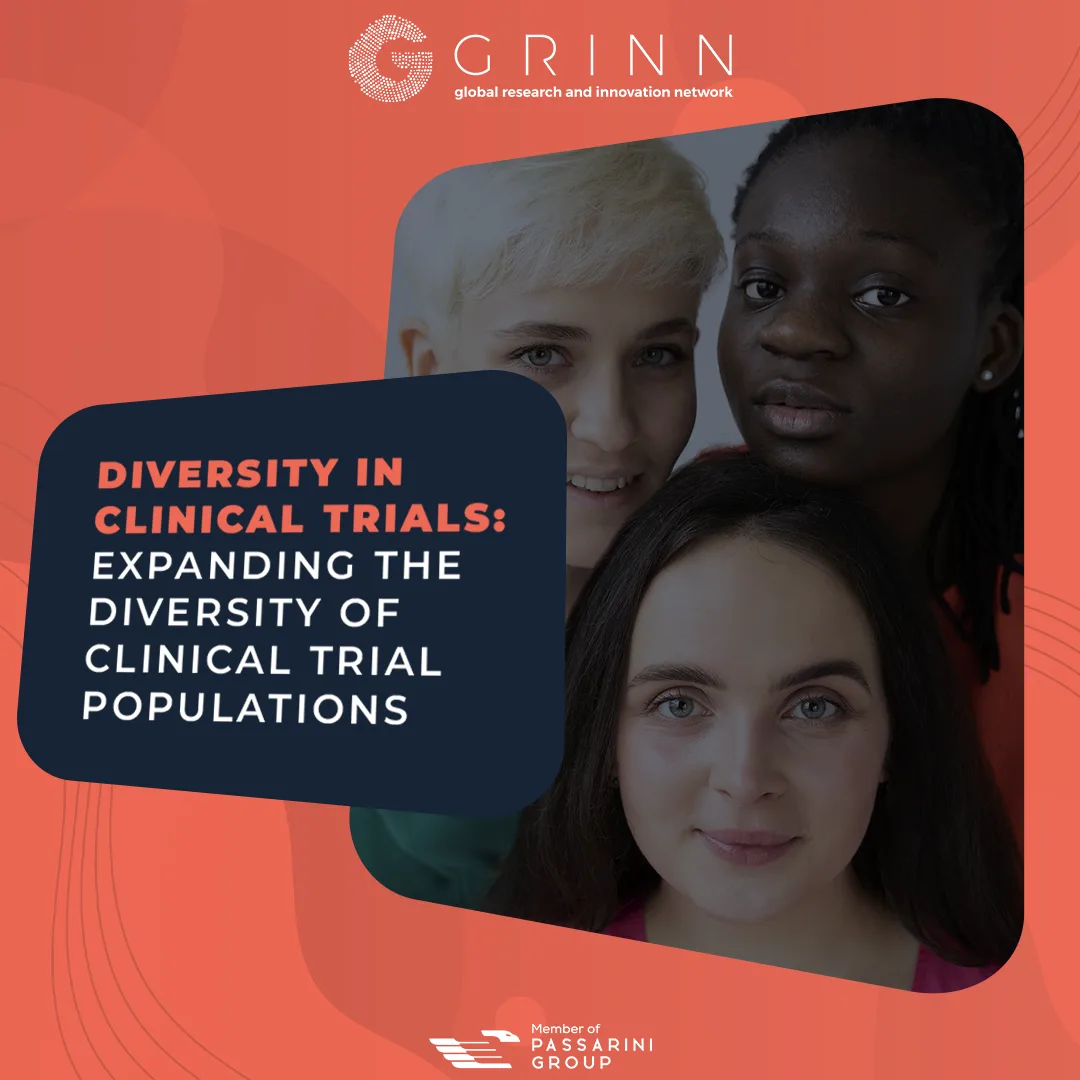
Diversity in Clinical Trials: Expanding the Diversity of Clinical Trial Populations
The lack of diversity in clinical trials can lead to ineffective or harmful treatments for certain racial and ethnic groups. Historically, clinical research has been conducted on homogeneous populations, limiting the applicability of results to different global populations. This approach can perpetuate health disparities and hinder advances in personalized medicine.
The U.S. Food and Drug Administration (FDA) has advocated for more inclusive trials to ensure that drugs are safe and effective for everyone. However, challenges such as mistrust in the healthcare system and logistical barriers complicate this goal.
Brazil, with its mosaic of races and ethnicities, offers a promising solution. The country's population diversity reflects a significant portion of the global landscape, making it an ideal setting for globally relevant clinical trials. By leveraging this diversity, researchers can gather comprehensive data, leading to a better understanding of how different populations respond to treatments.
Inclusive trials conducted in Brazil provide a more accurate picture of the effectiveness and safety of drugs in various populations. This reduces the risk of overlooking side effects in specific groups. As a result, treatment development becomes more equitable and effective, benefiting a broader spectrum of patients.
By promoting diverse participation in clinical trials, Brazil can play a key role in advancing health equity. Drugs designed and tested with a wide variety of patients are more likely to meet the needs of diverse populations, reducing health disparities and fostering a fairer future.
Contact us today by email: contact@grinn.co and find out how we can boost the success of your project.